



Introduction
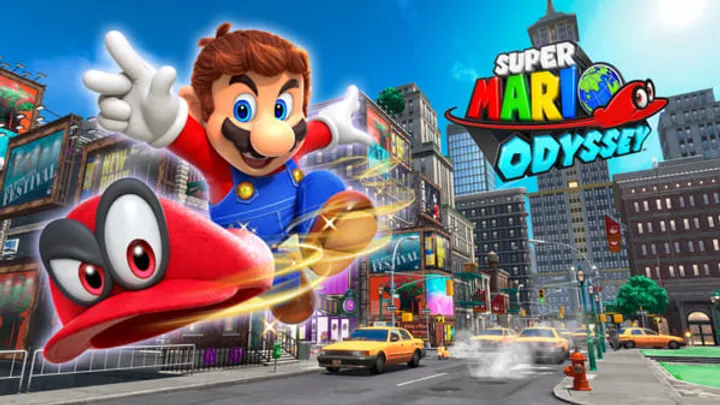
Super Mario Odyssey, released in October 2017 for the Nintendo Switch, has been hailed as a landmark title in the long-standing Mario franchise. The game reintroduces 3D platforming in a fresh and innovative manner, allowing players to journey through diverse kingdoms filled with intricate levels, quirky characters, and unique mechanics. However, amid its numerous accolades, a significant issue arises concerning its level design: the balance between exploration and guidance. This article delves deeply into this specific issue, examining how the design choices impact gameplay, player experience, and overall satisfaction, while also considering potential implications for future titles in the series.
The Legacy of Mario Level Design
Historical Overview
Level design in the Mario franchise has evolved considerably since the original Super Mario Bros. in 1985. The early titles focused on linear progression, with each stage offering set challenges and a clear path to the finish. This design philosophy established a successful formula, leading to numerous sequels over the years.
Transition to 3D
The introduction of 3D gameplay with Super Mario 64 in 1996 revolutionized how players interacted with the Mario universe. Instead of a straightforward path, players were given vast, open spaces to explore, thereby expanding the idea of level design to incorporate verticality, hidden areas, and player agency. Super Mario Odyssey continues this legacy, yet presents a new challenge regarding how to balance player freedom with necessary direction.
Odyssey's Kingdoms: A Glimpse of Variety
Diverse Environments
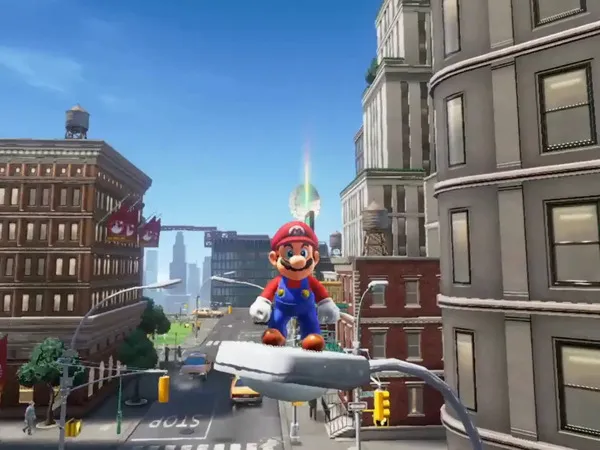
Super Mario Odyssey boasts an impressive array of kingdoms, each with unique aesthetics, gameplay mechanics, and challenges. From the vibrant streets of New Donk City to the lush landscapes of the Kingdom of the Cascade, each area offers distinct settings contributing to the game’s rich tapestry.
Kingdom Highlights
- New Donk City: Urban environment with a mix of skyscrapers and classic platforming.
- Cascade Kingdom: Dinosaur-filled landscapes that evoke mystery and adventure.
Differences in Design Philosophy
While each kingdom is visually captivating, they differ significantly in terms of level design. Some kingdoms encourage exploration, while others funnel players toward specific objectives, leading to varied player experiences.
The Exploration vs. Guidance Dilemma
The Importance of Exploration
Exploration is a core component of Super Mario Odyssey. Finding Power Moons—essential for progressing the story—requires players to explore every nook and cranny of each kingdom. This exploration can foster a sense of accomplishment and discovery.
Reward Systems
- Power Moons: Hidden within the environment, encouraging players to explore.
- Coin Collections: Earning coins enhances gameplay with new costumes and power-ups.
The Need for Direction
However, the abundance of exploration can sometimes lead to players feeling lost or overwhelmed. Without adequate guidance, players may find it frustrating to locate objectives, detracting from the overall enjoyment of the game.
Examples of Frustration
- Overwhelming Choices: In larger kingdoms, players may feel unsure where to go next.
- Hidden Mechanics: Some Power Moons require specific actions that may not be intuitive.
Balancing Freedom and Structure
The Role of Cappy
Cappy, Mario's sentient hat, serves as a crucial gameplay mechanism that enhances exploration while providing necessary guidance. With Cappy, players can capture different enemies and objects, opening up new areas and abilities.
Advantages of Cappy's Mechanics
- Enhances Player Agency: Cappy encourages players to interact with the environment creatively.
- Provides Direction: Certain captures can guide players toward hidden Moons or areas.
Cappy's Impact on Level Design
While Cappy enables exploration, it can also lead to a more linear experience. In some instances, the player might feel compelled to utilize Cappy’s abilities in a specific way to progress, which can limit true exploration.
Impact on Gameplay Experience
Player Satisfaction
A key factor in game design is player satisfaction. The balance between exploration and guidance directly influences how gratifying it is for players to experience Super Mario Odyssey.
High Points of Satisfaction
- Serendipitous Discoveries: Finding hidden Moons can create unforgettable moments.
- Sense of Accomplishment: Completing challenging tasks offers instant rewards.
Points of Frustration
Conversely, moments of confusion can frustrate players, especially when they are unsure of where to go next or how to achieve specific objectives. This lack of clarity can dampen their overall enjoyment.
Examples of Frustration
- Inaccessible Areas: Players may feel thwarted when unable to access certain parts of the kingdom.
- Complex Challenges: Some Power Moons require extensive problem-solving that may overwhelm casual players.
Player Agency and the Exploration Experience
Levels Built for Exploration
Certain kingdoms, like the Sand Kingdom, are crafted to cater to exploring, with vast expanses and diverse environments that encourage players to stray off the beaten path.
Design Features
- Hidden Areas: Many Moons are tucked away in hard-to-reach spots.
- Interactive Elements: Environments encourage players to engage with the landscape.
Levels that Restrict Agency
In contrast, some areas, such as the more linear sections in New Donk City, tend to restrict player exploration to a degree. The design tends to funnel players towards a set path, which can diminish the joy of exploration.
Community Reception and Feedback
Analyzing Player Reactions
Community feedback is critical in understanding how players perceive the level design in Super Mario Odyssey. While many praise the open-world aspects, others express a desire for clearer guidance.
Positive Reception
- Innovative Mechanics: Many players love the freedom Cappy provides.
- Exploration Rewards: Players appreciate the satisfaction of unearthed secrets.
Constructive Criticism
However, some players have noted that the lack of directional cues in certain levels can hinder the experience, especially for those new to 3D platformers.
Areas for Improvement
- More Clear Guidance: Suggestions for incorporating additional clues for objectives.
- Optimized Level Design: Call for a balance that keeps exploration without frustration.
Potential Solutions for Level Design
Enhanced Visual Cues
One potential solution to balance exploration with guidance is the introduction of visual cues that guide players without outright telling them where to go.
Types of Cues
- Signposts: Indicative signs could point towards nearby Moons or objectives.
- Environmental Hints: Subtle changes in scenery could lead players toward secrets.
Structured Challenge Systems
Incorporating a challenge system where players can select missions or objectives can provide clarity and direction while maintaining the spirit of exploration.
Proposed Systems
- Mission Boards: Players can choose challenges displayed at key locations in each kingdom.
- Guided Paths: Offering optional guided paths could help reluctant explorers.
The Future of Mario and Level Design
Implications for Future Games
The issues surrounding exploration and guidance in Super Mario Odyssey are not merely confined to this title; they present valuable lessons for future Mario games.
Expected Trends
- Incorporating Feedback: Nintendo may use community feedback to improve level design in subsequent titles.
- Adapting to Player Behavior: Future games may incorporate more adaptive systems that personalize experiences.
The Balance Will Evolve
As gameplay mechanics and player expectations continue to evolve, so too will the design philosophies surrounding level exploration and guidance.
Conclusion
Super Mario Odyssey has undoubtedly made a significant impact on the landscape of 3D platforming games, striking a unique balance between exploration and guidance within its level design. While the game excels in providing vast worlds rich with hidden treasures, it also reveals the difficulties in navigating between too much freedom and not enough direction. By addressing these concerns through thoughtful design adjustments and community feedback, future installments of the Mario franchise can continue to innovate while enhancing player satisfaction.
Summary
Super Mario Odyssey’s level design problem lies in balancing exploration with guidance, impacting player satisfaction; solutions include clearer cues and structured missions for future games.